
Radiation in scrap: the hazard you cannot see
How radiation portal monitors protect recycling plants and steelworks.
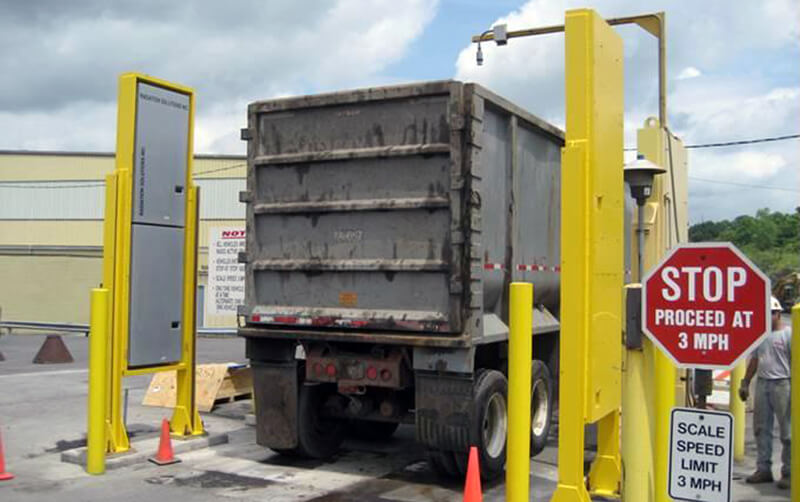
Every year, around the world, radioactive sources and contaminated materials are found in loads of scrap metal. If such a source reaches the furnace, the cost to the business can be enormous. Inspection at the gate is the most effective way to protect yourself.
Where radiation in scrap comes from
- “Orphan” sources: radioactive sources from industrial or medical equipment that escaped regulatory control and ended up as waste.
- Contaminated metals: equipment or materials that have been exposed to radioactive material.
- Naturally occurring radioactivity (NORM): deposits in pipes and equipment, mainly from the oil and gas industry.
Why it is so serious
A radioactive source melted together with scrap contaminates the final product, the filter dust and the equipment. The consequences can include worker exposure, production shutdown for decontamination, product recalls and serious damage to the company’s reputation. That is why many steelworks require documented radiation checks from their suppliers.
How a portal monitor works
The Radiation portal monitors are installed at the entrance of the site, usually next to the weighbridge. Two pillars with sensitive gamma radiation detectors continuously measure the natural background of the area. When a truck passes at low speed, the system compares the measurement with the background and, if it detects an increase, triggers an audible and visual alarm.
The check is carried out without stopping the flow of vehicles and without staff intervention, for every incoming load.
What happens when an alarm goes off
An alarm does not automatically mean danger. The vehicle is isolated and a second check follows with a portable instrument, to confirm the finding and locate the part of the load with increased radiation. For this purpose, portable instruments are used, such as the RT-20 and RT-30 MK2 from Georadis. If radioactive material is confirmed, the competent authority is notified (in Greece, the Greek Atomic Energy Commission) and its instructions are followed.
Good design makes the difference
The position of the portal, the distance between the pillars, the passing speed and the alarm settings all affect the sensitivity of the system. That is why every installation is designed individually, according to the vehicles and the traffic of the site.
