
Know-how & experience since 1998
News & Articles
Selection guides, technical articles and practical advice on the chemical analysis of metals, radiation monitoring and certified reference materials.
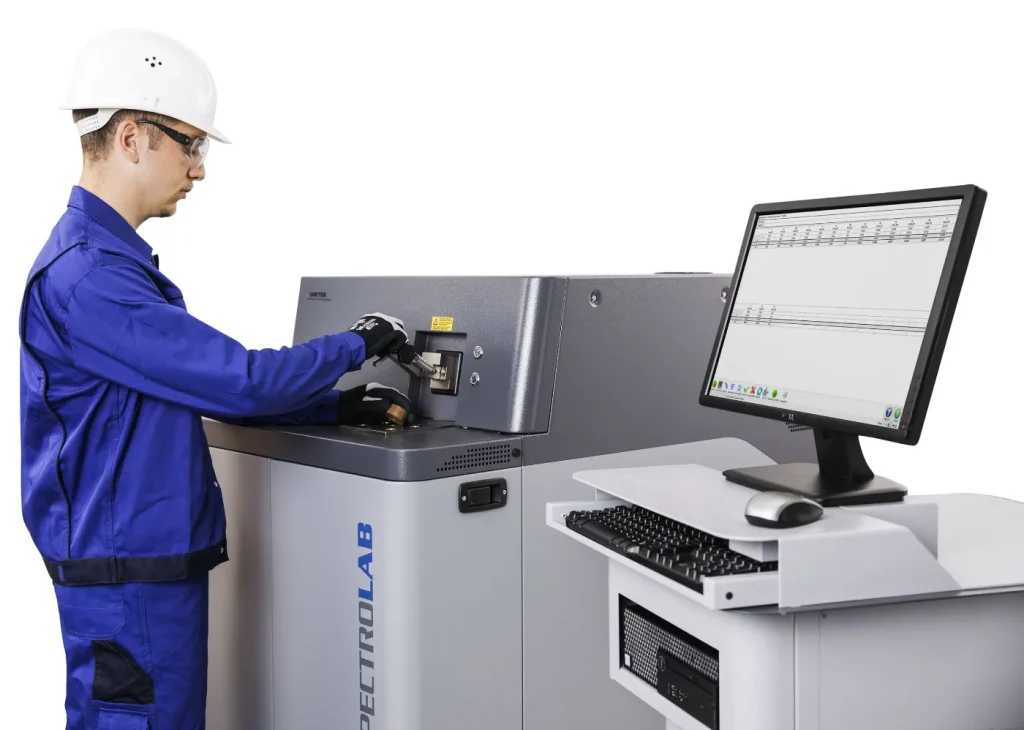 Methods for the chemical analysis of metals: OES, XRF, LIBS, ICP and combustion analysisThe main methods for the chemical analysis of metals compared: Spark OES, XRF, LIBS, ICP-OES/MS and combustion analysis. What each one measures and how to choose.Read the article →
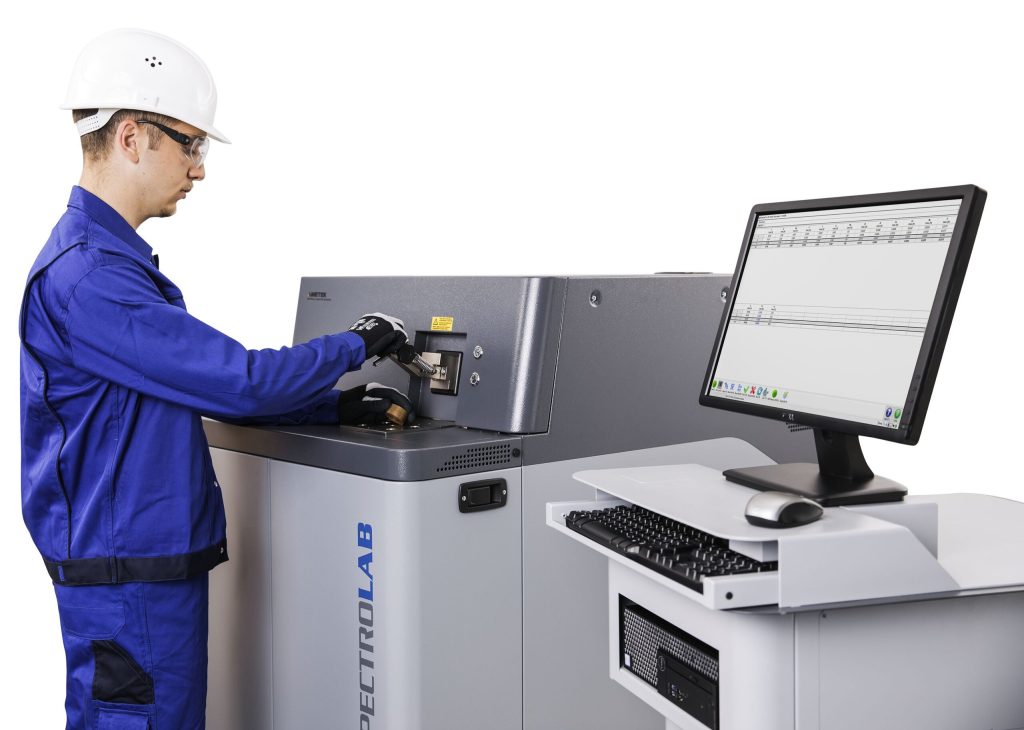 PMT, CCD or CMOS? OES spectrometer detectors and how they affect your analysisPhotomultipliers (PMT), CCD or CMOS? How each detector technology works in spark spectrometers, its advantages and limitations, and what the detection limits show.Read the article →
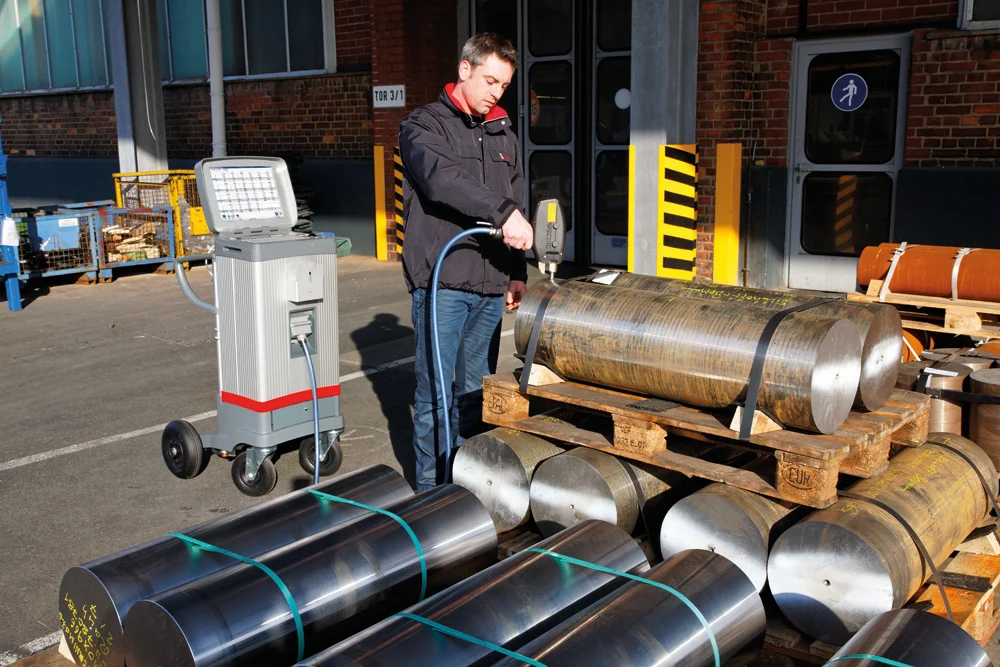 OES spectrometer: laboratory, mobile or handheld? How to chooseStationary laboratory spectrometer, mobile system or handheld XRF analyser? The criteria that determine the right choice: elements, accuracy, speed, preparation and cost.Read the article →
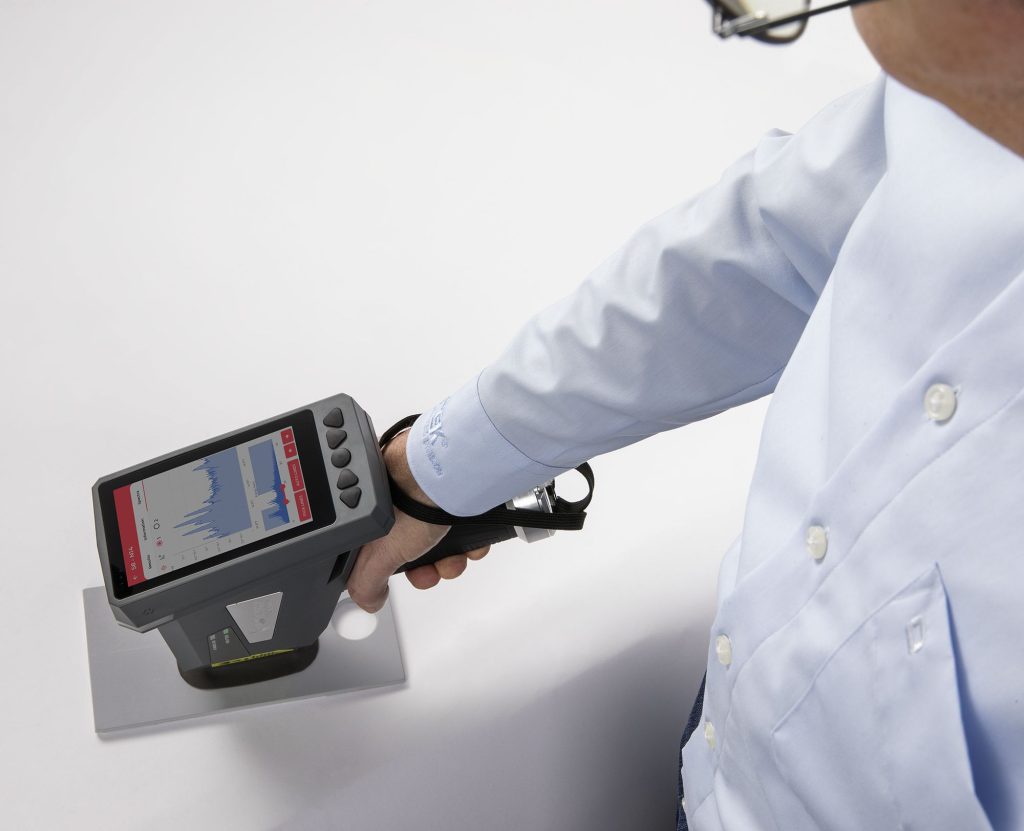 Spark OES or XRF? Which metal analysis technique suits your applicationSpark optical emission spectrometry (OES) or X-ray fluorescence (XRF)? Measuring principle, elements measured, accuracy and sample preparation, compared.Read the article →
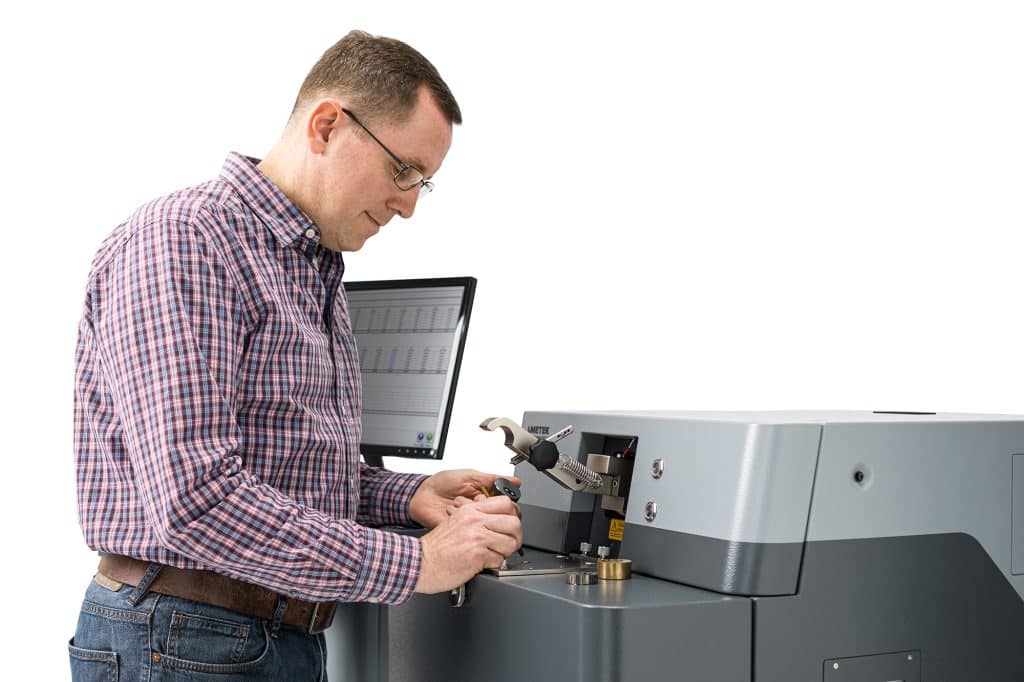 Certified reference materials (CRM): what they are and why they determine spectrometer accuracyWhat certified reference materials (CRM) are, how they differ from setting-up and control samples, and how to choose solid samples for an OES or XRF spectrometer.Read the article →
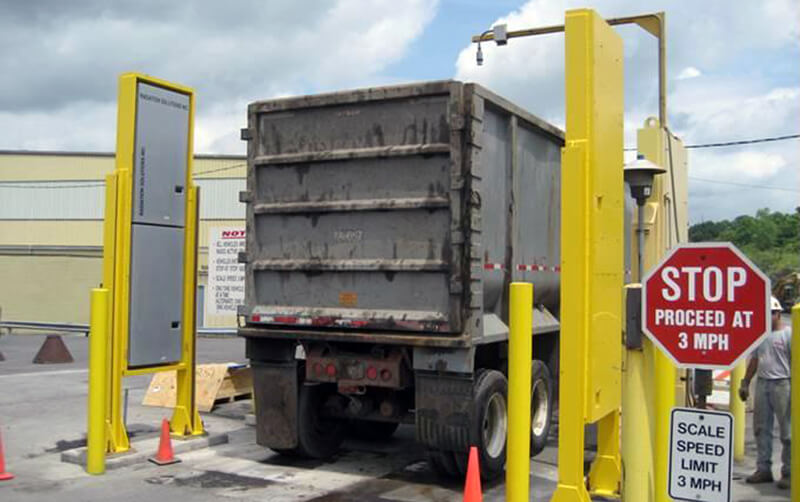 Radiation detection in scrap: why portal monitors are essentialRadioactive sources and contaminated materials can be hidden in scrap loads. How radiation portal monitors work and what happens when an alarm goes off.Read the article →
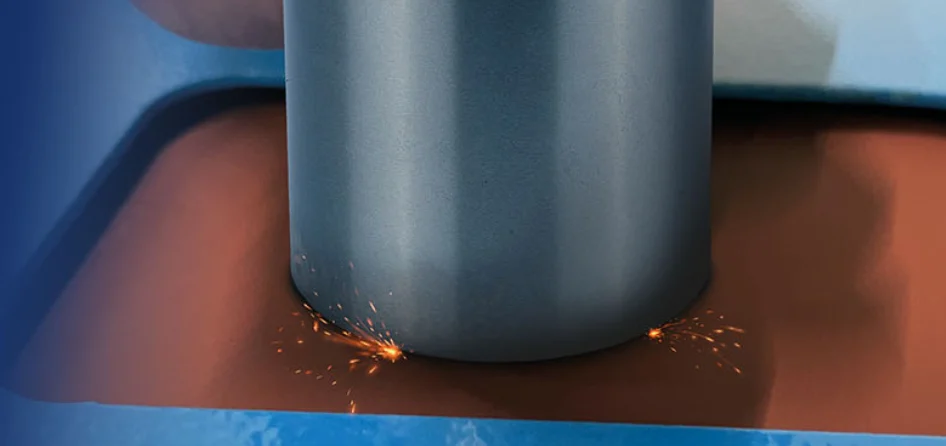 Sample preparation for OES spectrometers: the step that decides the resultEven the best spectrometer gives wrong results if the sample has not been prepared correctly. Grinding, milling, contamination and the most common mistakes.Read the article →
